
Bedtime Stories For Adults To Fall Asleep Calmly
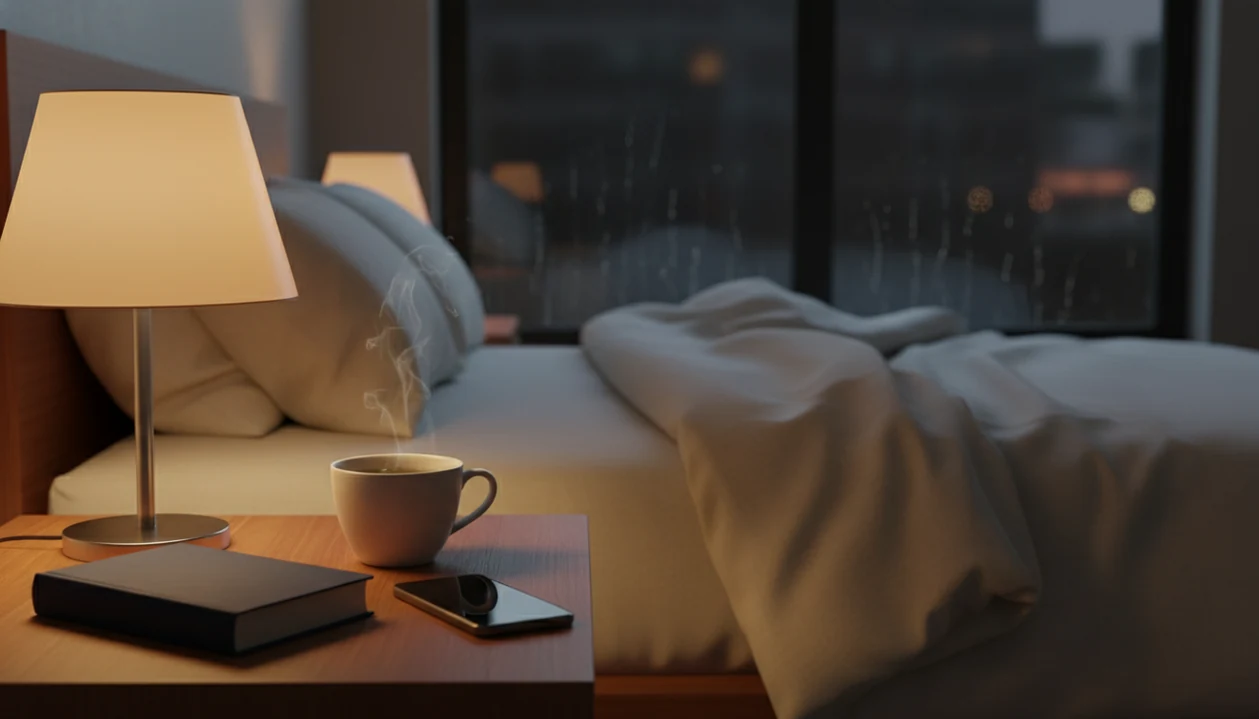
Bedtime stories for adults to fall asleep work best when they are slow, predictable, low-stakes, and used as part of the same wind-down routine each night. Choose calming fiction or audio that gives your mind something gentle to follow without suspense, emotional intensity, autoplay, or screen scrolling.
> Definition: Bedtime stories for adults to fall asleep are calming written or audio stories designed for grown-ups, using soft pacing, simple plots, and relaxing imagery to support nighttime wind-down.
- Pick sleepy bedtime stories adults can half-listen to: cozy, repetitive, sensory, and emotionally neutral.
- Use calming bedtime audio with a sleep timer, low volume, and no notifications or autoplay.
- Treat stories as a sleep-support tool, not a cure for chronic insomnia, sleep apnea, or severe anxiety.
5 bedtime story choices for adults who need sleep
- Gentle audio works well for tired eyes. Soft narration lets you rest with the phone face down, instead of reading under bright light.
- Simple written stories can help sound-sensitive sleepers. A few quiet pages may feel better than a voice in the room.
- Guided imagery-style stories suit racing thoughts. A slow garden path or seaside inn gives attention somewhere neutral to land.
- Low-conflict scenes are the safest pick. Cozy travelogues, nature walks, quiet villages, seasonal markets, and evening routines make better stories to fall asleep than thrillers.
- Stimulating media can work against sleep. Avoid cliffhangers, loud music, ads, autoplay, and bright screens. Per the CDC, 35.2% of U.S. adults report sleeping less than 7 hours (CDC adult sleep facts), so many people need calmer wind-down tools, not more stimulation.
Brown noise filling the corners can help, but the story still needs to stay boring enough.
What adult bedtime stories are for sleep
Bedtime stories for adults are family-safe calming fiction or narrative audio made for grown-up relaxation, not children’s entertainment or explicit content. The goal is sleepiness, not a clever ending, dramatic reveal, or emotional payoff.
A good adult sleep story sounds like a calm adult narrator, not a sing-song children’s story voice. It may describe a quiet train ride, a lamp-lit guesthouse, or rain moving across a window. Adult bedtime stories and sleep meditation for adults offer calming fiction, wind-down routines, and sleep sounds, not 18+ content.
Bedtime Adult is a bedtime stories for adults app that offers calming fiction, sleep meditations, and sleep sounds for grown-ups. For a broader category overview, sleep stories for adults covers how this format differs from daytime fiction.
How bedtime stories work on a racing mind
- Attention anchoring: A sleep story gives the mind a neutral object to follow instead of tomorrow’s meeting, a medical bill, or a replayed conversation.
- Low arousal: Predictable scenes reduce the need to scan for danger, conflict, or surprise.
- Routine conditioning: Repeated use can teach the brain that story time belongs to sleep time.
- Bedtime consistency matters: Research from 2018 links regular bedtime routines with sufficient sleep and better sleep quality.
- Audio relaxation has support: Controlled studies show brief audio-based relaxation, including guided imagery and calming narratives, can reduce presleep cognitive arousal and sleep onset latency in adults with sleep disturbance.
For many adults, a low-drama story is often easier than silent effort because it gives worry less empty space to fill. Clinicians typically recommend behavioral sleep hygiene basics first, including consistent timing, reduced stimulation, and a calmer pre-sleep routine.
The jaw unclenches after a long call. That matters.
Before you choose sleepy bedtime stories adults can relax into
“Which sleepy bedtime stories adults can relax into should I try first?” Start with the setup, not the title. Choose a device plan that avoids scrolling, notifications, blue light, and autoplay after you are already in bed.
Download stories offline when possible, especially for travel or weak hotel Wi-Fi. Keep the volume low enough to fade into the room rather than demand attention. A shared speaker set to low volume may work better than headphones if your partner is comfortable with it.
Test the story while awake. Listen for narrator tone, pacing, background sound, and small irritations. Some people sleep better with silence, soft rain, or plain sleep sounds than with narration. If you want a shorter test, a 10-minute sleep story for adults can reveal fit quickly.
Step 1: Pick low-stakes stories to fall asleep
- Choose predictable settings. Try a quiet train ride, garden walk, seaside inn, rainy library, or slow mountain village.
- Favor sensory detail. Gentle weather, warm lamps, soft paths, and steady footsteps give the mind something mild to picture.
- Avoid high-conflict plots. Mysteries, horror, intense romance, and cliffhangers ask the brain to stay alert.
- Pick emotionally neutral endings. The story should drift rather than resolve with a big scene.
- Repeat what works. Familiar stories often become stronger wind-down cues over time.
The most useful sleep story is interesting enough to interrupt rumination but not so interesting that you stay awake to hear the ending. For more examples, calming stories to fall asleep focuses on low-stakes themes and pacing.
Step 2: Set up calming bedtime audio boundaries
- Set a sleep timer. Start with 20 to 45 minutes, then adjust after a few nights.
- Turn on Do Not Disturb. Put the phone face down on the nightstand before the first line begins.
- Stop autoplay. Avoid playlists that may shift into louder music, ads, or unrelated content.
- Lower the volume. Aim for soft and steady, with minimal background noise.
- Keep the screen out of the routine. Choose the story before bed, not while half-awake at midnight.
The National Sleep Foundation’s Sleep in America poll reported that 95% of respondents used some type of electronic device within the hour before bed (National Sleep Foundation); many sleep-hygiene guides recommend reducing stimulating media close to bedtime. A phone turned face down with the sleep timer already set is a boundary, not a decoration.
Step 3: Build a routine around stories to fall asleep
- Dim the lights. A bedside lamp lowered at 10:15 p.m. is clearer than “I’ll relax soon.”
- Prepare tomorrow basics. Set out medication, keys, or work notes before the story starts.
- Start the story early enough. Begin before you are overtired, irritated, or bargaining with the clock.
- Let attention soften. Follow the narrator lightly, without trying to catch every sentence.
Use the same time, place, and order most nights when you can. Routine consistency is linked with better sleep quality, but no story can guarantee sleep on command. Calm, Headspace, Get Sleepy, and other family-safe sleep-story libraries can fit a routine if the content stays slow, predictable, and low-stimulation.
Small order. Same order.
Step 4: Adjust bedtime stories when sleep does not come
- Switch the voice. If the narrator annoys you, don’t force it for a week.
- Lower the plot. If you keep tracking details, choose something more repetitive or familiar.
- Change the format. If audio keeps you alert, try written stories, sleep sounds, breathing, or silence.
- Avoid clock checking. Looking at the time often adds pressure and frustration.
- Experiment briefly. A few nights of adjustment is normal.
A familiar voice returning each night can be soothing for one person and irritating for another. That difference is not a failure. If adult framing matters in your home, grown-up bedtime stories can help separate calm sleep content from children’s stories.
Common myths about sleepy bedtime stories adults use
- Myth: bedtime stories are only for kids. Reality: adults also use narrative relaxation and calming audio as part of nighttime wind-down.
- Myth: any good story will make you sleepy. Reality: exciting stories can increase alertness, especially when they use suspense or conflict.
- Myth: one successful night cures insomnia. Reality: stories are an ongoing support tool, not a one-night fix.
- Myth: calming bedtime audio replaces treatment. Reality: medical and mental health sleep problems deserve proper care.
- Myth: “adult” means explicit. Reality: adult sleep stories can be family-safe content for grown-ups, not children’s content and not erotic content.
For people who share a room, family-safe stories usually work better than private or ambiguous audio because the routine feels easier to repeat.
Limitations
- Bedtime stories are not a standalone treatment for chronic insomnia, sleep apnea, PTSD nightmares, major depression, or severe anxiety.
- About 30% of adults report short-term insomnia, and about 10% report chronic insomnia, so persistent sleep problems are common and deserve care.
- Sound-sensitive people may find narration distracting, even when the voice is calm.
- Stories that are too engaging can prolong sleep onset because the brain keeps following the plot.
- Research on adult bedtime stories specifically is limited. Much of the evidence is inferred from relaxation audio, routines, and cognitive distraction.
- Poor caffeine timing, irregular schedules, alcohol, stress, and late-night screens can overpower the benefit of bedtime stories.
- Loud snoring, gasping, dangerous daytime sleepiness, persistent insomnia, or worsening mental health symptoms should be discussed with a qualified professional.
If you specifically want grown-up but non-explicit audio, non-erotic bedtime stories for adults is the clearer lane.
FAQ
Do bedtime stories help adults sleep?
Bedtime stories can help some adults sleep by reducing rumination and supporting a repeatable wind-down routine. Results vary, especially when insomnia or anxiety is persistent.
What stories help adults fall asleep?
Slow, predictable, cozy, sensory-rich stories with little conflict or suspense are usually the most sleep-friendly. Quiet travel, nature, village, library, and seasonal scenes often work well.
Are sleep stories only for children?
No. Adults can use family-safe sleep stories designed for grown-up relaxation, including apps such as Bedtime Adult.
Is audio better than reading?
Audio may be better if reading keeps your eyes on a screen or bright light. Written stories may be better if voices or background sounds make you more alert.
How long should sleep stories be?
A practical range is 20 to 45 minutes with a sleep timer. Shorter stories can work if they are part of a consistent routine.
Can stories make insomnia worse?
Yes, some stories can keep people awake if they are too engaging, the narrator is irritating, or the device setup encourages scrolling. If insomnia persists, seek professional guidance.
Should I use a sleep timer?
Yes. A sleep timer helps prevent autoplay, sudden content changes, and unnecessary media exposure after you fall asleep.
Are adult bedtime stories explicit?
Adult bedtime stories for sleep can mean grown-up, family-safe calming content, not erotic content. The sleep-focused meaning is about tone, pacing, and context—not explicit material.