
Can Sleep Stories Cure Insomnia? What To Know
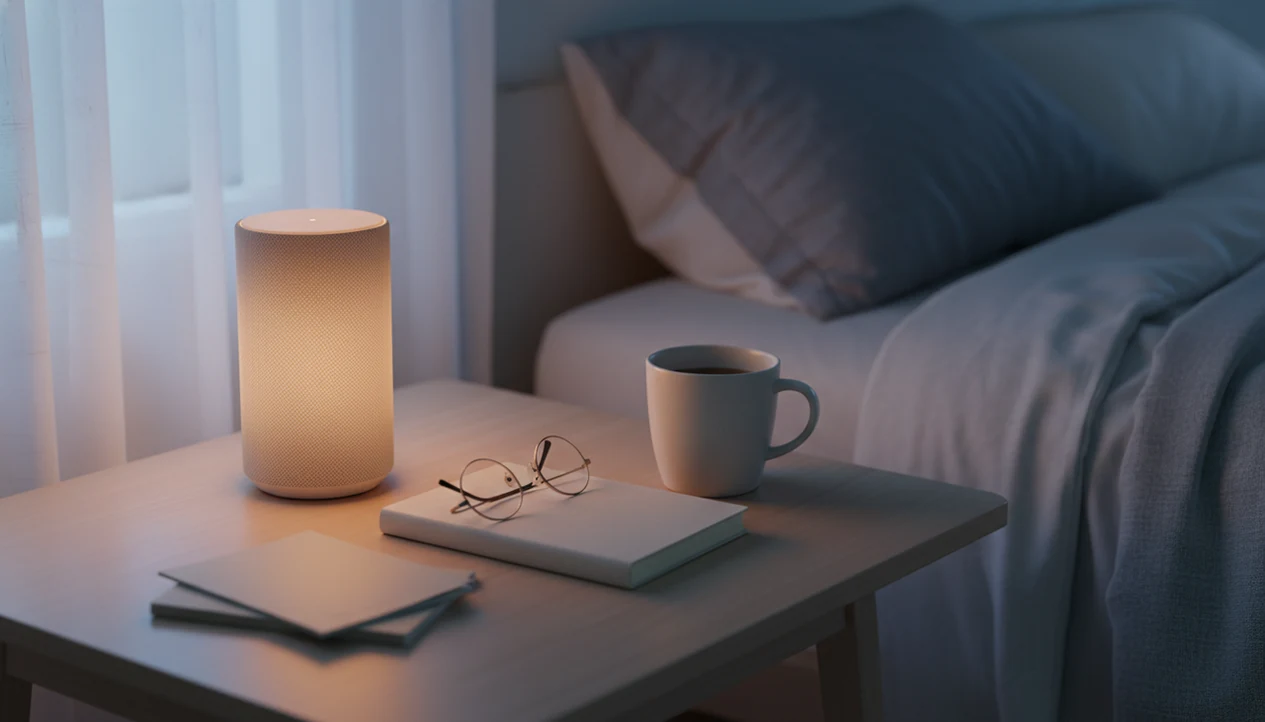
No, can sleep stories cure insomnia is a claim no app, podcast, or audio routine should promise. Sleep stories may help some adults relax, reduce bedtime rumination, and fall asleep more easily, but chronic insomnia is best addressed with CBT-I and, when needed, professional evaluation.
> Definition: Sleep stories are calming audio narratives that can support a wind-down routine, but they are not a medical insomnia treatment or a verified cure.
TL;DR
- Sleep stories can support relaxation and sleep onset, but they should not be marketed as an insomnia cure.
- CBT-I is the evidence-based standard of care for adults with chronic insomnia and has stronger clinical support than bedtime audio alone.
- If insomnia persists, worsens, or affects daytime functioning, a clinician or qualified CBT-I provider is more appropriate than relying on an app.
Sleep stories insomnia cure claims: the short answer
Can sleep stories cure insomnia? No. Sleep stories are not a proven cure for insomnia, and comfort at bedtime is not the same as treating a chronic sleep disorder.
Some adults still find them useful. A low-drama story can give the mind something quiet to follow when the room is dark and the worry loop is loud. If the sleep timer is glowing on the screen and the plot asks very little, the body may get a clearer wind-down cue.
That helps some people fall asleep.
But sleep onset, distraction, and reassurance do not resolve every cause of insomnia. Pain, conditioned wakefulness, anxiety, medications, and sleep apnea need different care. Responsible sleep-audio providers should avoid cure claims and frame stories as bedtime support, not insomnia treatment.
5 facts about sleep stories and insomnia claims
- Sleep stories are relaxation tools, not cures. They can support a calmer bedtime routine, but they do not medically treat insomnia.
- CBT-I is the recommended first-line treatment for chronic insomnia. The American Academy of Sleep Medicine describes CBT-I as the standard of care for adults with chronic insomnia in its 2021 guidance source.
- Stories may help most when rumination is the main barrier. A familiar voice returning each night can interrupt planning, replaying, and “why am I still awake?” thinking.
- Persistent or severe insomnia warrants professional care. Daytime impairment, worsening sleep, or suspected medical drivers should not be handled by audio alone.
- Cure language in app marketing is overstated without clinical evidence. Sleep stories can be supportive, but “sleep stories insomnia cure” claims go beyond the evidence.
CBT-I vs sleep stories for insomnia treatment
CBT-I is structured cognitive behavioral therapy for insomnia, not basic sleep hygiene with a nicer name. It targets the behaviors, conditioning, worry, and beliefs that keep insomnia going.
| Option | What it is | What it targets | Evidence boundary |
|---|---|---|---|
| CBT-I | A structured insomnia treatment delivered by trained clinicians or validated digital programs | Sleep scheduling, conditioned wakefulness, unhelpful sleep beliefs, worry, and habits | Recommended as standard care for chronic insomnia by the AASM |
| Sleep stories | Calming audio narratives used at bedtime | Relaxation, distraction, routine cues, and lower cognitive arousal | Supportive tool, not a stand-alone insomnia treatment |
| Basic sleep hygiene | General habits like limiting late caffeine or keeping a consistent schedule | Environmental and routine factors | Helpful background, but usually not enough for chronic insomnia |
A 2020 meta-analysis found CBT-I improved Insomnia Severity Index scores by about 4.8 points compared with control conditions source. The most common medically supported way to treat chronic insomnia is CBT-I, sometimes combined with medical evaluation when symptoms suggest another driver.
How sleep stories work for adult insomnia symptoms
Sleep stories work as a low-demand attentional anchor. In plain language, they give the mind a quiet place to rest that competes with racing thoughts without asking for active focus.
The likely mechanism is lower cognitive arousal. Predictable pacing, soft narration, and low-stakes plots make fewer demands than a thriller, a work email, or a bright social feed. Routine conditioning can also matter. When the same calm cue repeats each night, the brain may start linking that sound with bedtime. A bedside lamp dimmed at 10:15 p.m., the same narrator, and a slow story can become one repeated signal.
In wellness apps, calming fiction, sleep meditations, and sleep sounds may support a wind-down routine; still, these mechanisms may help sleep onset more than they treat insomnia itself.
Small cue. Lower stakes. Repeat.
Common myths about sleep stories and insomnia treatment
- Myth 1: Sleep stories cure insomnia like medicine cures an infection. This comparison is misleading because insomnia often involves behavior, conditioning, stress, health conditions, or circadian timing, not one simple cause.
- Myth 2: If a story makes you sleepy once, chronic insomnia is fixed. One easier night is welcome, but it does not prove the underlying pattern has changed.
- Myth 3: CBT-I is just sleep hygiene. CBT-I includes targeted behavioral and cognitive techniques; it is more structured than “avoid screens” advice.
- Myth 4: Any calming audio is equally effective for insomnia. Soft rain, brown noise, and distant train ambience can feel different to different people, but none has the same evidence base as CBT-I for chronic insomnia.
Good bedtime stories and sleep meditation for adults deliver calming fiction, wind-down routines, and sleep sounds, family-safe, not 18+; they do not deliver a verified insomnia cure.
Professional care triggers for chronic insomnia
Professional evaluation is appropriate when insomnia is persistent, worsening, or impairing daytime life. If you are missing work focus, driving drowsy, snapping at people by lunch, or dreading the bed before dinner, the problem deserves more than another playlist.
Clinicians typically recommend CBT-I for chronic insomnia, with medical evaluation when symptoms suggest another cause. Possible drivers include pain, anxiety, depression, sleep apnea, medication effects, restless legs, alcohol use, and circadian rhythm problems. Per the CDC, fewer than 7 hours of sleep per night is considered short sleep duration for adults, which can matter for health and functioning source.
A 2023 randomized trial found digital CBT-I reduced insomnia severity more than sleep education alone source. For adults with ongoing insomnia, structured behavioral treatment is often more appropriate than bedtime audio alone because it targets the patterns that keep sleep problems in place. More escalation signs are covered in our guide to when to see a doctor for insomnia.
Family-safe bedtime stories for adults without cure promises
Family-safe bedtime stories for adults are calming audio made for grown-up wind-down routines, not erotic content, children’s stories, or clinical treatment. The useful boundary is simple: adult tone, gentle pacing, and no promise to cure insomnia.
Apps such as Bedtime Adult can fit adults who want calming fiction, sleep meditations, and sleep sounds as part of a repeatable nighttime routine. That might mean a 10-minute body scan after travel, soft narration in an unfamiliar room, or a shared speaker set low enough that a partner can settle too.
If content safety matters in a shared home, our guide to family-safe adult sleep stories explains the difference between grown-up calm and explicit framing. Sleep Stories for Grown Ups should support relaxation; they should not replace CBT-I, diagnosis, or care for chronic insomnia.
Limitations
Sleep stories have real limits, especially when insomnia is chronic, severe, or medically complicated. They can be a kind bedtime cue, but they are not a full treatment plan.
- Sleep stories do not work for everyone.
- Evidence for sleep stories specifically is limited compared with CBT-I.
- Stories may help falling asleep more than staying asleep.
- Audio can become a crutch if it prevents someone from addressing the real insomnia trigger.
- Self-help content should not delay CBT-I or medical evaluation for chronic insomnia.
- Stories may be insufficient when insomnia is driven by pain, anxiety, sleep apnea, medications, depression, or circadian rhythm problems.
- A story that feels soothing one week may feel irritating during a high-stress week.
- Partner-friendly listening still needs consent; “Can you turn it down one notch?” is a valid sleep need.
For a broader safety frame, our page on sleep app medical claims explains why wellness apps should avoid treatment language.
FAQ
Can sleep stories cure insomnia?
No. Sleep stories may support relaxation and sleep onset for some adults, but they are not an insomnia cure.
Do sleep stories help insomnia?
Sleep stories may help some people wind down, especially when racing thoughts are a bedtime problem. They have weaker evidence than CBT-I for chronic insomnia.
What is CBT-I?
CBT-I is structured cognitive behavioral therapy for insomnia. It targets the thoughts, behaviors, sleep timing, and conditioning patterns that maintain sleep problems.
Is CBT-I better than sleep stories?
For chronic insomnia, CBT-I has stronger clinical evidence than sleep stories. Sleep stories are better understood as a supportive relaxation tool.
Are sleep stories medical treatment?
No. Sleep stories are not medical treatment and should not replace clinical care for chronic or impairing insomnia.
Can audio worsen insomnia?
Audio can become unhelpful if it increases dependence, frustration, or clock-watching. It can also delay proper treatment if symptoms are persistent.
When should I see a doctor for insomnia?
Seek care when insomnia is persistent, worsening, affects daytime functioning, or may involve sleep apnea, pain, medications, anxiety, or depression. CBT-I or medical evaluation may be appropriate.
Do sleep stories stop nighttime awakenings?
Sleep stories may help with falling asleep, but they may not resolve frequent nighttime awakenings. Repeated awakenings can have causes that need clinical attention.
Are sleep stories safe to use every night?
For many adults, sleep stories are reasonable as part of a nightly routine. They should not be used to mask chronic, worsening, or impairing insomnia.